


-
Blog Views
4364
What is flexible working?
There is more and more talk about flexibility in the workplace, but what does flexible working really mean? The phrase may conjure a vague sense of a home office and reduced hours. However, flexible working is not just about reduced hours or working remotely. It's much broader than that. This article explains the key areas involved in flexible working.
When?
Times of day
The time when work starts and finishes can be adapted to personal preference. Rather than pushing through a prescribed 9am-5pm day, ‘flextime’ or ‘flexitime’ allows employees to work at any time of day or night. This has obvious benefits for parents or carers who need time for other responsibilities during the day. But it also allows for the pursuits of hobbies or leisure activities which would not easily coincide with a traditional working day.
Importantly, it also means that employees can work at the times when they are most productive. Early birds can make the most of their creative spurt first thing in the morning, while night owls can start work later in the day.
Times of year
There is also scope for ‘annualised flexibility’ or ‘annualised hours’, allowing the employee to choose what times of year they want to work. This can allow for some say in the timings and duration of holidays. For example, a parent might want to work term-time only.
This might involve ‘core hours’, a set amount of time to work each week, but with flexibility about the rest of the hours. This allows the employee to work less intensely in some weeks when, for example, they need to care for children or dependents, but picking up the hours at other times of year.
How long?
Length of working day
A working day can be reduced or extended (see below). A parent might want to work 9am-3pm, for example. This example of a shorter day may well be beneficial for all workers. Recent trials in Sweden suggest a 6-hour work day improves mental health and productivity.
Length of working week
The number of days in a working week can also be changed. There are two main angles for this:
1) Compressed hours.
This would involve fewer days at work but with longer hours per day so that the employee can still complete a full working week.
2) The 4-day week.
This model for the working week was pioneered by Andrew Barnes and is becoming increasingly popular. It works on the premise that a conventional 5-day week includes time that is wasted when employees are distracted or not concentrating. By reducing the length of the week, the same productivity is expected of the employee, but in a more condensed period of time. The model can be summarised with the equation 100-80-100: 100% of the pay for 80% of the hours and 100% of the productivity.
Where?
Where you work
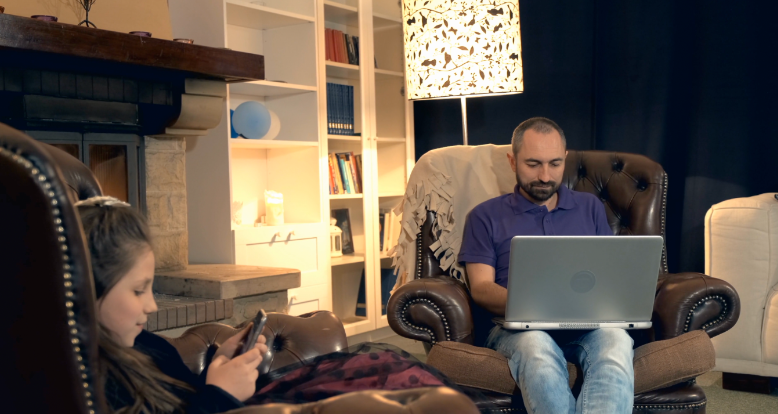
Working from home can be a blessing for many people, especially for those with health conditions that require the use of special equipment. However, remote working does not necessarily mean simply swapping your desk in an office for a desk in the guest bedroom. For many, the buzz of an office environment can be motivating, as is the chance to socialise with colleagues during breaks. Working in libraries or other communal working spaces is a possibility, which can be particularly appealing when this means reducing the commute and being closer to home.
How?
Ways you are assessed
Rather than looking at hours accrued, the focus can instead be on the outcomes of your work. This can complement flexitime particularly well: working the necessary hours to get the work done without the requirement to work any long than is necessary. This project-based style of assessment often requires constant communication between workers and employers, collaboratively setting targets and adjusting them if needed.
This model might also mean that annual appraisals and performance reviews become unnecessary, because constant conversations and goal-setting provides the basis for mutual feedback without needing to follow traditional assessment structures.
In summary...
Flexibility in the workplace is itself a flexible concept. It is a mistake to think of it purely in terms of reducing working hours, although this is a part of it. Location, assessment methods, annual and daily timings – every aspect of the working life can be open to flexibility. The term ‘flexible working’ encompasses all these possible alternatives and in turn allows the individual or the company to make use of a unique combination of these, customised to their specific needs.

