

-
Blog Views
2262
Flex Plus: Designing flexible work for health and disability inclusion.
In the latest article in our Patchwork Hub Employer Support series, Catherine Hale – founder of Disability Insight, researcher, consultant and creator of Flex Plus working – outlines the power of flexible working to drive accessibility in work. And she flags some key changes that employers can make today to reap the benefits of flexible working in their workplaces.
Employers play a vital role in addressing the work and health challenges of our times. This is the conclusion of recent government reviews and emerging new policies that call on businesses to create healthier, more inclusive workplaces.
We are all living and working longer than previous generations. As a result, more of us will experience long-term health conditions and disabilities that affect how we work. Yet the world of work has not kept pace with these demographic changes. In fact, work has become faster, more intense and more stressful in recent decades – especially in the UK. And both younger people at the start of their careers and older workers are experiencing declining health and barriers in work.
And the UK is fast becoming an outlier: compared with other European countries, the UK has higher rates of sickness absence and a growing number of people leaving the labour market due to ill health. Those who fall out of work due for health reasons have slight chances of returning. This not only holds back economic growth but also deepens inequalities that disabled people have faced for decades. Only 53% of disabled people are in employment compared with 82% of non-disabled people, and when they are in work, they face lower pay, fewer opportunities to progress, and lower job satisfaction.
And flexible, disability inclusive work practices make clear business sense too. Evidence suggests that those organisations who perform the best around disability inclusion have, on average, notably higher productivity, innovation, staff morale and profits, and notably lower staff turnover and sickness absences (Accenture and DOBE, 2023). Getting this right is a clear win for employers too.
The role of flexible working
So what can employers do differently to turn these trends around?
There is certainly a key role for government rules and incentives to support prevention, retention and rehabilitation, and there are some excellent proposals from the Resolution Foundation and the Commission for Healthier Working Lives in this regard. But one of the most powerful levers for change is already in the hands of most employers: flexible working.
Flexible working is the most commonly requested adjustment by disabled employees, according to occupational health research. Labour market data also shows that employees without flexible options are four times more likely to leave work if they develop a long-term health condition.
Yet research at King’s College London, with Prof Ben Geiger, Prof Kim Hoque and myself, found that many employers have not yet connected their flexible working policies with their strategies for disability inclusion and workforce health.
What is Flex Plus?
Our study explored employer perceptions and practices around a model of flexible working that grew out of lived experience research into disability and work. We call it ‘Flex Plus’.
Flex Plus brings together three forms of flexibility that disabled people often need in combination:
- Reduced hours or part-time work.
- Working from home (some or all of the time).
- Flexible worktime (the ability to vary start, finish or break times).
Evidence from my previous research with Chronic Illness Inclusion and Astriid, as well as from a major DWP survey, show that these three forms of flexibility are often what make the difference between being able to work, and being excluded from the labour market altogether for disabled people:
- The need to work fewer hours reflect the reality of fatigue, pain and time taken up by treatment or self-management of a health condition.
- The need for worktime flexibility reflects that two-thirds of disabled people live with conditions that fluctuate unpredictably - across days, weeks or even hours.
- And the need to work from home often stems from conserving energy, managing symptoms in a controlled environment, and having the autonomy to adjust your working rhythm.
Flex Plus arrangements empower many disabled people to overcome barriers in the rigidities of work practices that haven’t caught up with changing social norms and capabilities.
Yet, as our research shows, many employers designing for the “future of work” post-Covid are doing so without this insight. Without it, disabled people risk being left behind and businesses risk missing out on or holding back their disabled employees.
Of course, not every role can accommodate the full Flex Plus model - some jobs simply can’t be done remotely. But Flex Plus isn’t a rigid formula. It’s a set of principles that help employers think inclusively about flexibility.
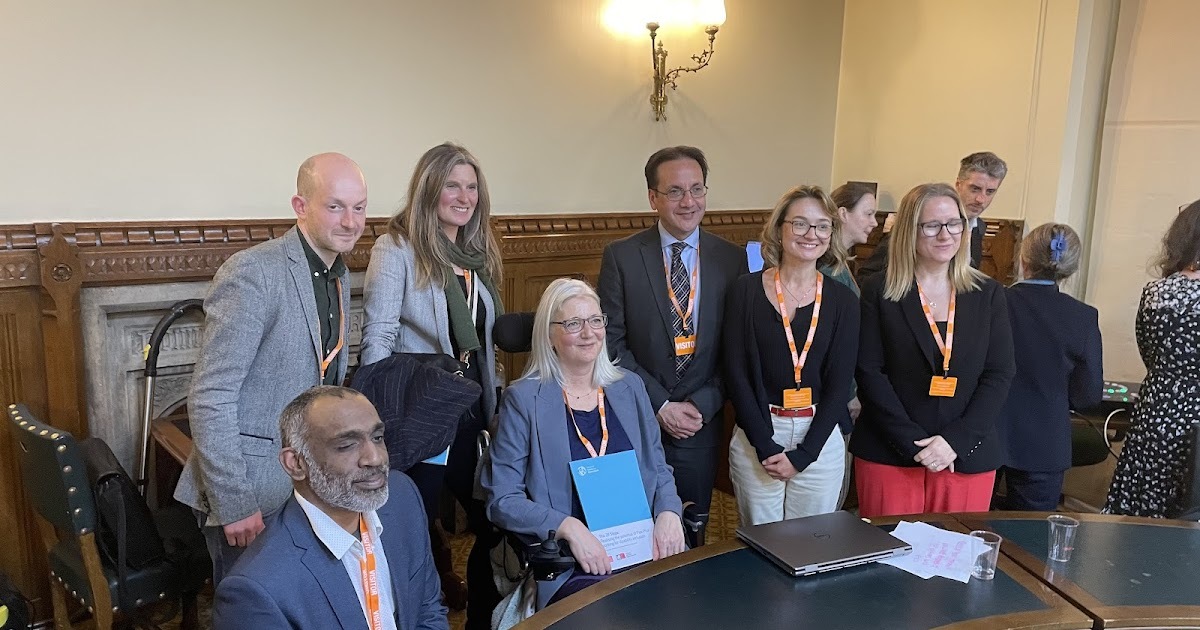
Image Description: Catherine Hale at the Flex Plus launch event, with co-authors Kim Hoque and Ben Geiger, alongside those who spoke at the event.
Quick wins for employers
Some changes will take time to embed and implement, but there are a range of actions that employers can move forward with quickly, and make swift progress.
Our report, The 39 Steps, sets out 39 recommendations for employers and policymakers to make Flex Plus a reality. Here are some key steps employers can take right away:
- Flexible working requests: Don’t fall into “inflexible flexibility”. Pre-set menus of flexible working options or automated request processes risk excluding employees who need tailored arrangements to manage health conditions.
- Return-to-office policies: Rigid hybrid rules will disadvantage disabled employees who thrive through fully remote work, and some – who may not have had to disclose their disability before now – will face exclusion under strict Return to Office mandates. Focus instead on purposeful connection and explore creative ways to include remote-first staff (see Work Foundation, Inclusive Remote and Hybrid Work study).
- Line manager training: Managers are often the gatekeepers of flexible work and inclusion. Train and support them to understand flexible working in relation to health and disability. Managers need to be equipped to build trust-based management practices, especially towards remote workers.
- Reasonable adjustments: Ensure managers know both routes to flexible working - under the Equality Act (as a reasonable adjustment) and under the Right to Request regulations.
- Recruitment: Include flexible options in every job advert and invite discussion and negotiation of flexibility within the recruitment process. Creating a psychologically safe environment for candidates to share declare a disability if they wish to will support discussions about what working patterns best support their health.
Longer-term strategies
Longer-term, the aim should be to properly embed flexible into your mainstream ways of working as an organisation. Work that could support you to progress towards this includes:
- Job analysis: Identify which roles could accommodate Flex Plus arrangements if needed.
- Job design: Build part-time, remote and Flex Plus options into new roles from the outset to reach a wider talent pool of workers.
- Disability and flexible working data tracking: Track who accesses Flex Plus arrangements. Embedding better disability reporting in your organisation will allow for monitoring of Flex Plus working in relation to engagement, retention and progression for disabled employees.
And as you push forward this work, it’s vital to listen to those in your organisation who most need Flex Plus working and engage with expert support who can help you to embed these changes in the right way.
Conclusion
Embracing the Flex Plus model of flexible working isn’t just about inclusion - it’s about designing work that’s sustainable for everyone and benefitting from the positive outcomes that this brings.
Up to one in four workers live with a health condition or disability, many of them invisible or undisclosed. The same forms of flexibility also benefit carers, older workers, and anyone balancing work with changing life circumstances. In fact, over the course of our working lives, more than half of us will experience a disability at some point.
By embedding Flex Plus principles now, employers can future-proof their organisations against rising ill health, unlock untapped talent, and build more loyal, motivated teams.
Flexible working isn’t a “perk” - it’s a cornerstone of workforce health and resilience.
It helps people stay in work when life changes. It prevents burnout, supports wellbeing, and keeps skills in the economy and your team.The opportunity is clear: design flexibility for health and disability from the start, not as an afterthought. When we listen to lived experience and make Flex Plus the norm, we don’t just create better jobs for disabled people - we create better work for everyone.

