

-
Blog Views
3735
Patchworker Spotlight: Ben’s Story
We spoke to Ben Barrett, a student who worked as his Oxford college’s student disability representative. Read Ben’s story to find out more about disability in the world of academia.
“For students about to enter university, the number one piece of advice I have is to get in touch with the university beforeyou arrive. Whatever your situation, this will make everything so much easier,and you won’t have to struggle through fresher’s week or your first term without the support you need.”
Tell us a bit about your experience living with a disability. How does it affect your day to day life and your time at university?I’ve had severe hearing loss since birth. This is because I was so wriggly in the womb that I strangled myself with my mother’s umbilical cord, cutting off oxygen to my head. My family sometimes joke that the emergency C-section was the only time I’ve ever been early.
Because I’ve always been deaf, I can live with it quite easily from day to day but in specific situations it causes difficulties. I can’t locate sounds or filter between them, which can be distressing and disorientating. Big dinners at long tables, nightclubs and stereo music are all deeply uncomfortable.
Until making the switch to mono I didn’t hear whole sections of some of my favourite songs. I never heard any lines sung by Roger Taylor in Bohemian Rhapsody. I had always assumed “little low, little high” was some strange in-joke among Queen fans that I wasn’t party to.
At university, I really, really struggle with listening to lectures and had to get permission from the faculty to record them in case I miss anything (this is usually very easy to get, but talk to your lecturers or faculty before you record anything as copyright can be an issue and lecturers can get very angry if they think you’re just recording so you don’t have to pay attention).
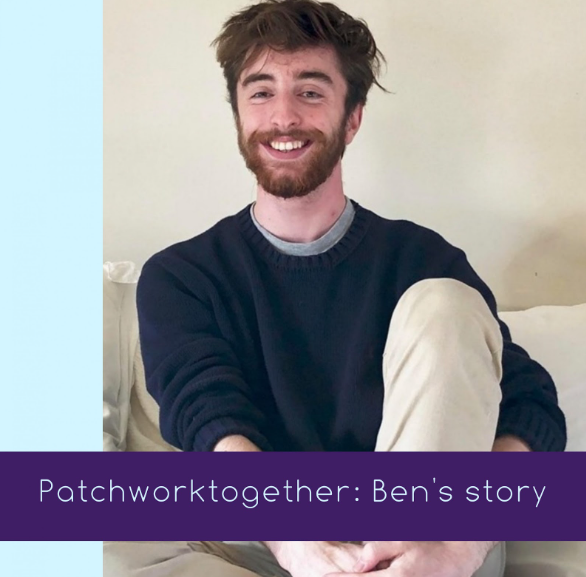
“I’m Ben, and I’m going into my third year studying English at Oxford University. In my spare time, I enjoy rowing, drama, writing and debate.”
We would love to hear about your work as your college’s Disability Representative?When I was a disability representative for my college at Oxford, I served a pastoral role to students, acting as a bridge between them and figures of authority when they needed support on issues from accommodation to addiction. I received emails and texts at all times of day and offered tea and biscuits to (occasionally very distressed) students, trying my best to ensure their situation would not hold them back academically or socially.
I also organised events like a sign-language workshop and a sensory art session, open to all to broaden understanding of the limitations faced by disabled people in everyday life. I advertised disability talks taking place in the wider university.
Finally, in recognition of my work, I was invited to sit on the central university’s outreach and access boards, where I helped to scrutinise and improve the information for disabled students provided in the university prospectus. That year, a whole page was dedicated to disabled students for the first time.
Do you have any advice for people living with a disability similar to your own, either in academia or the world of work or more generally?
For students about to enter university, the number one piece of advice I have is to get in touch with the university before you arrive. Whatever your situation, this will make everything so much easier, and you won’t have to struggle through fresher's week or your first term without the support you need.
I know how hard it is to live without this kind of support, and how crucial this first step is. Send an email as soon as you have an offer so any exam or accommodation requirements can be taken into account from the beginning.
Most universities will have a (very friendly!) Disability Advisory Service who can offer you help even if you’ve never received support before. The government also offers a grant (the Disabled Students’ Allowance) which you don’t have to pay back and which you can use to pay for any equipment you might need.
Once you're there, familiarise yourself with the pastoral support available in case you ever need a listening ear or practical help. You’re not alone, and you deserve to succeed at your course just as much as anyone else.
If you are a prospective or current student, you can apply for Disabled Students’Allowances (DSAs) to cover some of the extra costs you may have because of a mental health problem, long term illness or any other disability.